
Choosing the right gate latch is an important decision for anyone looking to install or upgrade a gate system. The latch plays a critical role in ensuring security, functionality, and style. Among the many options available, Thumb Gate Latch Hardware has become increasingly popular due to its unique features and design. But how does it compare to traditional latches? In this article, we’ll explore the differences between these two types of hardware, helping you make an informed decision for your specific needs.
What is Thumb Gate Latch Hardware?
Thumb Gate Latch Hardware is a type of gate latch that features a thumb-activated lever mechanism. Typically made from durable materials like wrought iron or stainless steel, it is designed to combine aesthetics and functionality. The latch consists of a decorative handle on the exterior side and a simple latch arm on the interior. By pressing the thumb lever, the latch arm lifts, allowing the gate to open.
Key Features of Thumb Gate Latch Hardware:
- Ease of Use: A simple press on the thumb lever allows for effortless opening.
- Durability: Often crafted from weather-resistant materials, it can withstand harsh outdoor conditions.
- Aesthetic Appeal: Adds a touch of elegance to gates, making it a popular choice for decorative fencing.
Understanding Traditional Latches
Traditional latches come in various forms, including slide bolts, ring latches, and gravity latches. These designs have been used for decades and are often chosen for their straightforward functionality and affordability. Depending on the type, traditional latches may require a sliding or lifting action to operate.
Common Types of Traditional Latches:
- Slide Bolt Latches: A sliding mechanism that secures the gate by inserting a bolt into a catch.
- Ring Latches: Operated by rotating a ring that lifts the latch arm.
- Gravity Latches: Rely on gravity to automatically secure the gate when it swings closed.
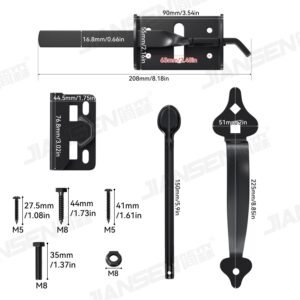
Comparing Thumb Gate Latch Hardware and Traditional Latches
1. Design and Appearance
Thumb Gate Latch Hardware is often chosen for its decorative design. The exterior thumb lever and ornate handle add a rustic or vintage charm, making it ideal for garden gates, wooden fences, or custom entryways. Traditional latches, on the other hand, focus more on functionality than aesthetics. While some traditional latches come in decorative styles, they generally lack the intricate designs associated with thumb latches.
2. Ease of Operation
Both options are relatively easy to use, but Thumb Gate Latch Hardware offers an advantage in terms of convenience. The thumb lever mechanism allows for one-handed operation, making it user-friendly. In contrast, some traditional latches, like slide bolts, may require both hands to operate, particularly if they are stiff or improperly maintained.
3. Security
When it comes to security, Thumb Gate Latch Hardware and traditional latches serve different purposes. Thumb latches provide a moderate level of security, suitable for residential gates where aesthetics and ease of access are priorities. Traditional latches, such as slide bolts, offer more robust locking capabilities when paired with padlocks, making them better suited for high-security applications.
4. Durability and Weather Resistance
Durability depends on the materials used. Thumb Gate Latch Hardware is typically made from high-quality, weather-resistant materials like wrought iron or powder-coated steel, which can endure years of outdoor exposure. Traditional latches, often made from galvanized steel or similar materials, also perform well in outdoor settings. However, certain low-cost traditional latches may corrode or weaken over time without proper maintenance.
5. Installation Complexity
Installing Thumb Gate Latch Hardware may require more time and precision due to its decorative components and alignment needs. Traditional latches are generally simpler to install, especially basic designs like gravity latches or slide bolts. For DIY enthusiasts, traditional latches might be the easier choice, while thumb latches may require professional assistance for optimal results.
6. Cost
Cost is an important factor for many buyers. Thumb Gate Latch Hardware is often more expensive due to its design and material quality. Traditional latches, particularly basic models, are typically more budget-friendly. However, the added cost of a thumb latch can be justified by its aesthetic and functional advantages.
7. Application and Suitability
Thumb Gate Latch Hardware is best suited for residential and decorative applications. It pairs beautifully with wooden or wrought iron gates and enhances the overall look of a property. Traditional latches, with their diverse range of designs, are more versatile. They are commonly used in both residential and industrial settings, offering solutions for simple garden gates as well as heavy-duty security gates.
When to Choose Thumb Gate Latch Hardware
- If aesthetics and design are a priority, such as for garden or decorative gates.
- When you want a user-friendly mechanism for family members or guests.
- For moderate security needs where visual appeal is just as important as functionality.
When to Choose Traditional Latches
- For high-security applications requiring padlocks or additional locking mechanisms.
- When budget constraints are a primary consideration.
- In industrial or heavy-duty settings where functionality outweighs design.
Tips for Maintaining Gate Latches
- Regular Cleaning: Both types of latches should be cleaned periodically to remove dirt and debris that could affect operation.
- Lubrication: Use a weather-resistant lubricant on moving parts to prevent rust and ensure smooth operation.
- Inspection: Check for loose screws, corrosion, or other signs of wear, and address issues promptly to extend the lifespan of the hardware.
Conclusion
Choosing between Thumb Gate Latch Hardware and traditional latches ultimately depends on your specific needs and preferences. Thumb latches excel in aesthetics and ease of use, making them ideal for decorative residential gates. Traditional latches, on the other hand, offer versatility and cost-efficiency, making them suitable for a wide range of applications. By understanding the differences highlighted in this guide, you can select the latch that best meets your requirements and enhances the functionality and appearance of your gate.
