
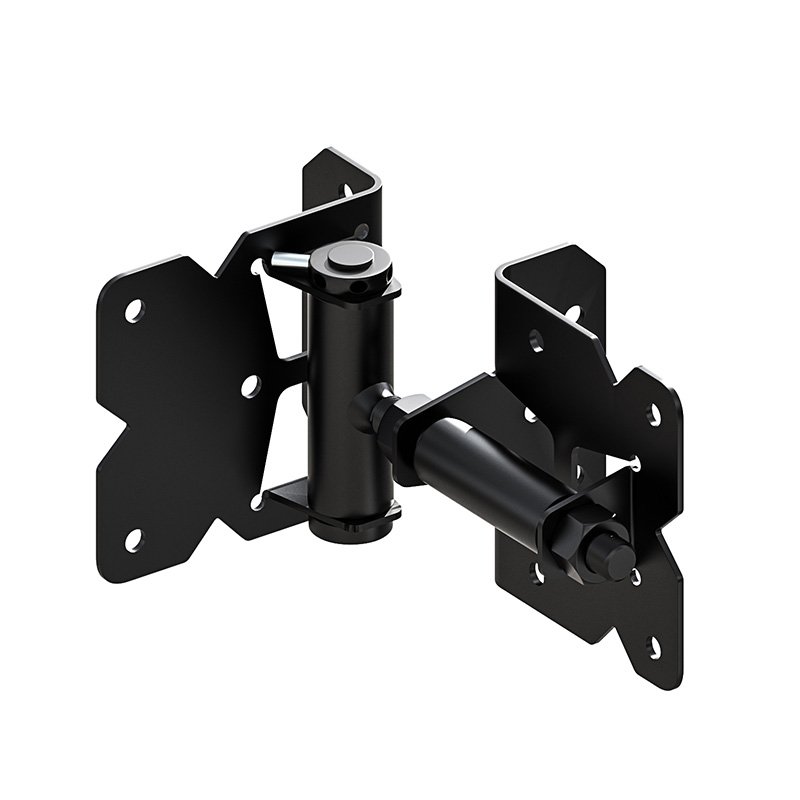
When building or maintaining a fence, whether it’s for residential, commercial, or industrial purposes, choosing the right hardware is essential for both functionality and longevity. One of the most crucial components of a fence, particularly for gates, is the hinge. Among the various options available, 304 PVC fence hinges are gaining popularity due to their durability, corrosion resistance, and overall performance. In this guide, we will explore the installation process of 304 PVC fence hinges and discuss best practices for maintaining them to ensure a long-lasting, reliable operation.
What Are 304 PVC Fence Hinges?
Before diving into the installation and maintenance process, it’s important to understand what makes 304 PVC fence hinges a popular choice. These hinges are typically made from 304-grade stainless steel combined with a PVC coating. The 304-grade stainless steel is known for its superior resistance to corrosion, especially in outdoor environments where weathering, rust, and moisture are a concern. The added PVC coating enhances the aesthetic appeal and provides an extra layer of protection against wear and tear, UV radiation, and environmental exposure.
304 PVC fence hinges are commonly used for gates, doors, and other fencing applications that require robust and reliable hinge mechanisms. They are suitable for both residential and commercial fences, providing smooth operation and long-lasting durability.
Tools and Materials Needed
To install and maintain 304 PVC fence hinges effectively, you’ll need a few tools and materials. Here’s a checklist to get started:
Installation Tools
- Drill with appropriate bits
- Screwdriver or power drill with screw-driving attachments
- Measuring tape
- Level
- Pencil or chalk for marking
- Safety glasses and gloves
- Wrench or adjustable spanner (if necessary)
- Hinge pin or bolt (depending on hinge type)
Maintenance Tools
- Soft cloth
- Mild detergent or non-abrasive cleaner
- Lubricating oil or grease (optional)
- Rust remover (if necessary)
- WD-40 or similar lubricant spray
Step-by-Step Guide to Installing 304 PVC Fence Hinges
The installation of 304 PVC fence hinges is relatively straightforward, but accuracy is important to ensure that the gate opens and closes smoothly and securely. Follow these steps for a successful installation.
Step 1: Measure and Mark the Hinge Placement
Before you begin attaching the hinges, it’s crucial to measure and mark the exact placement. Use a measuring tape to determine the height at which the hinges will be mounted on both the gate and the fence post. Ensure that the marks are level to ensure the gate hangs straight.
For most gates, hinges should be installed approximately 6–8 inches from the top and bottom edges of the gate. However, the exact height may vary depending on the gate size and the hinge type.
Step 2: Drill Holes for the Hinges
Once you have marked the placement of the hinges, use a drill to create holes for the screws or bolts. Ensure that the drill bit size matches the screws or bolts you plan to use for mounting the hinges. The holes should be deep enough to securely hold the hardware but not so deep that the screws or bolts pass through the other side.
Be careful to drill straight, as misalignment can lead to difficulty in attaching the hinge and cause the gate to hang unevenly.
Step 3: Attach the Hinges to the Gate
Take the PVC-coated 304 stainless steel hinges and align them with the holes you drilled in the gate. Secure the hinges to the gate with screws or bolts, depending on the hinge design. Tighten the screws or bolts to ensure a firm connection, but avoid overtightening, which could damage the material or cause the hinge to misalign.
Step 4: Attach the Hinges to the Fence Post
Next, position the gate with the attached hinges in place on the fence post. Mark the corresponding locations where the other half of the hinge will be attached to the post. Repeat the drilling process on the post, ensuring that the holes align properly with those on the gate.
Once the hinge locations are drilled, attach the other half of the hinge to the fence post, again using screws or bolts. Be sure to secure the hinges tightly and check that the gate swings freely. Use a level to verify that the gate is straight and aligned.
Step 5: Test the Gate Movement
After the hinges are installed, gently test the movement of the gate. Open and close the gate several times to ensure it swings smoothly without any resistance or wobbling. If there is any difficulty in movement, check the alignment and ensure the hinges are securely fastened. You can also adjust the tension or alignment of the hinges if necessary.

How to Maintain 304 PVC Fence Hinges
Proper maintenance of your 304 PVC fence hinges will extend their lifespan and keep your gate operating smoothly. Here are some essential maintenance tips to keep in mind.
1. Regular Cleaning
One of the easiest ways to maintain your PVC fence hinges is by keeping them clean. Dirt, dust, and debris can build up over time, leading to friction and reduced performance. To clean your hinges, simply wipe them down with a soft cloth. Use a mild detergent or non-abrasive cleaner to remove dirt and grime. Avoid using harsh chemicals that can damage the PVC coating or stainless steel.
2. Lubricate the Hinges
To ensure smooth operation, lubricate the hinges every few months, especially if you notice any stiffness or squeaking when opening or closing the gate. Use a silicone-based lubricant or a light oil such as WD-40 to lubricate the moving parts. Be sure to wipe off any excess lubricant with a cloth to prevent dirt and debris from sticking to the hinges.
3. Inspect for Rust and Corrosion
Even though 304 stainless steel is highly resistant to corrosion, it’s still important to periodically inspect your PVC fence hinges for signs of wear, rust, or damage. If you notice any rust or corrosion, remove it as soon as possible using a rust remover or wire brush. After cleaning, reapply a protective layer of PVC coating or rust-proof paint to protect the hinges from further damage.
4. Tighten Loose Screws or Bolts
Over time, the screws or bolts securing the hinges may loosen due to regular use or environmental factors like wind or temperature changes. It’s a good idea to check the screws periodically and tighten any that have come loose. This will help maintain the stability of the gate and ensure that the hinges remain securely attached.
5. Protect from Extreme Weather
While 304 PVC fence hinges are designed to withstand outdoor conditions, it’s still a good idea to protect your hinges from extreme weather. If you live in an area with heavy snow or salt exposure, consider applying a weather-resistant coating to the hinges for added protection. Additionally, during heavy storms or severe weather, you may want to temporarily secure the gate to prevent unnecessary stress on the hinges.
Troubleshooting Common Issues
Even with proper installation and maintenance, issues can arise with PVC fence hinges over time. Here are some common problems and how to resolve them:
1. Gate Not Opening Smoothly
If your gate isn’t opening smoothly, the problem could be misaligned hinges or accumulated dirt. Check the alignment and ensure the hinges are properly positioned. Clean the hinges and apply lubricant to reduce friction.
2. Squeaking or Noisy Hinges
Squeaking is often caused by friction between the metal parts of the hinge. Lubricating the hinge should resolve this issue. If the squeaking persists, check for damage or rust and clean the hinge thoroughly.
3. Gate Misalignment
If your gate is sagging or misaligned, check the hinge screws to ensure they are tight. You may need to readjust the hinges or re-drill the holes for proper alignment.
Conclusion
Installing and maintaining 304 PVC fence hinges is a straightforward process that, with the right care, can result in a durable and smoothly functioning gate for many years. By following proper installation steps, cleaning regularly, lubricating the hinges, and inspecting for wear and tear, you can ensure that your fence and gate continue to serve their purpose effectively. Whether you’re building a new fence or maintaining an existing one, choosing high-quality 304 PVC fence hinges will provide a long-lasting, corrosion-resistant solution for your outdoor needs.
