Mechanical stamping presses in the JIANSEN workshop

Custom Sheet Metal Fabrication

Custom Metal Stamping Manufacturer

We manufacture custom sheet metal stampings in Hangzhou, China. Our work includes blanked and pierced parts, formed brackets and deep drawn components. Send us a drawing or sample so we can review the material, tooling and critical features before quoting.

Part Geometry

Custom Stamped Parts by Geometry

The finished shape helps determine the tooling. Flat parts depend on the profile and hole pattern. Formed parts add mounting faces or offsets. Drawn parts need enough material to flow into the die without excessive thinning or distortion.

Pierced metal parts at a JIANSEN stamping press

Blanked & Pierced Parts

Blanking cuts the outside profile. Piercing creates holes or slots within it. For flat mounting plates and connectors, specify which holes locate the part, how flat the mounting face needs to be and which side can accept a burr.

Ask About Blanked & Pierced Parts
Formed sheet metal brackets and connectors

Stamped & Formed Brackets

Stamped and formed brackets can add flanges, offsets or mounting tabs to a cut profile. Mark which faces locate the bracket in the assembly. Where a hole sits close to a bend, check its shape and position after forming.

Ask About Stamped Brackets
Hydraulic presses in the JIANSEN workshop

Deep Drawn Metal Parts

Deep drawing pulls sheet metal into a die to create a hollow shape, such as a cup or shell. The material grade, starting thickness, draw depth and corner radii help determine how the part can be formed. If it must fit another component, identify the inside or outside surface that controls the fit.

Ask About Deep Drawn Parts

Technical Review

Review Critical Features Before Tooling

Drawing references to identify

Burr Side · Reference Hole · Mounting Face

What matters on the part What to agree before production
A locating hole or a slot that must line up Dimension it from the same reference feature used in assembly. Agree whether position is checked on the flat blank or after forming.
An exposed or mating edge Specify the permissible burr side and any deburring requirement. If the edge contacts another part, define the condition it needs at assembly.
A flat mounting face State which face must sit flat and how flatness will be checked. Piercing or forming near that face can affect how the part seats.
A drawn wall or rounded corner Mark the draw depth, critical radii and any minimum finished wall thickness that matters to the application. Review material and geometry together.
A visible surface or coated fit Identify cosmetic faces and specify whether critical dimensions apply before or after finishing. Allow for the agreed finish at tight interfaces.

Mark the features that matter in assembly and send us the drawing for review.

Submit Drawings for Review

Prototype to Production

Choose a Process for Samples and Repeat Orders

We review the part shape, expected volumes and revision status before discussing a die. A laser-cut and bent sample can help check fit when the design is still changing. If stamping will be the production route, review a sample from that route before approving the repeat order, especially where burr direction, springback or draw thinning affects the part.

Laser cutting head over a sheet metal blank
Project condition Route worth reviewing What to check
A changing design or early fit sample Laser cutting and CNC bending, where the geometry allows Fit and assembly can be checked before committing to production tooling. Confirm which features may differ on the stamped part.
An approved design with recurring demand Stamping with tooling matched to the part Compare tooling cost and piece price across the expected order quantities. Agree how changes to the part will be handled.
A seamless hollow shape is part of the design Deep drawing Review material formability, corner radii, draw depth and the features that may require trimming or another operation.

When the part needs welding or assembly, include the mating parts in the review. We coordinate surface finishing with partner factories when it is included in the order.

Explore Custom Sheet Metal Fabrication

Ordering Information

Metal Stamping Questions Before You Order

Which metals can I specify for stamping?

Start with the grade, thickness and surface condition on the drawing. The material for a flat pierced plate may differ from the material needed to form a deep wall.

Material to review What to specify
Cold-rolled or mild steel Specify the grade, thickness and any finish needed after stamping. For a drawn part, identify the required forming grade where known.
Stainless steel Specify the grade, surface finish and visible face. Review the radius, material condition and any restrictions on marks.
Aluminum Specify the alloy and temper. Discuss tight radii, thin sections and the appearance required after forming.

When would I use a single-stage die or a progressive die?

A single-stage die performs an operation at one station. A progressive die advances a strip through several stations to perform successive operations. The choice depends on part geometry, expected repeat volume and tooling cost. Ask us to review the tooling route with your drawing and forecast, including any operations that need to happen after stamping.

What tolerances should I put on a stamped part?

Set the tightest requirements on the features that affect fit, movement or appearance. Identify the reference surface and state whether dimensions apply after forming or finishing. For parts that mount through several holes, check the entire pattern against the mating component. We review tolerances by feature, material and tooling route.

What affects the cost of custom metal stamping?

The quote depends on material, sheet usage, die design, forming steps, order quantity and any finishing or inspection required. When comparing suppliers, ask how tooling, samples and piece price are quoted and whether maintenance or changes are included. Give the first order quantity and the expected recurring quantity so the cost can be compared on the same basis.

What should I send for a stamping quote?

A dimensioned PDF drawing and, when available, a STEP model show the shape and critical features. Add the exact material, thickness, finish, first order quantity and expected annual demand. If you have a sample or an existing die, tell us what it represents and which revision should govern the quote.

First Article Review

Check the First Stamped Parts Before a Repeat Order

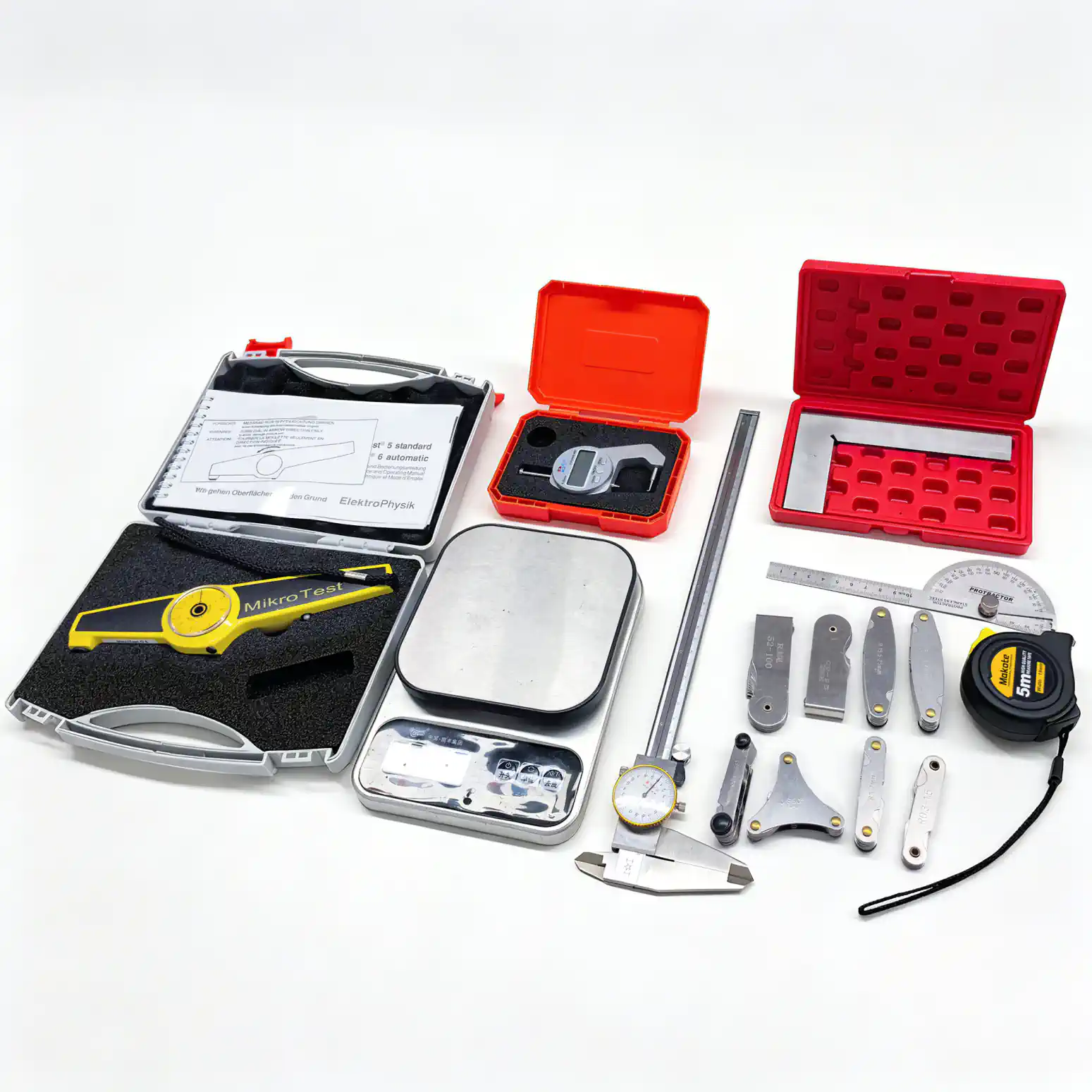
We manufacture metal parts in our Hangzhou workshop using mechanical and hydraulic presses. When a project calls for a first sample, agree which dimensions and surfaces need to be checked. A bracket may need a check on its mounting faces and hole pattern. A drawn part may need checks on depth, roundness or wall thickness. Keep the approved drawing revision and acceptance criteria with the repeat order.

JIANSEN manufacturing facility in Hangzhou Measuring tools for metal parts

Start Your Project

Request a Quote for Custom Stamped Parts

Send your part drawing, material, thickness and quantity. Mark the features that control fit and tell us which finishing or inspection steps you need. If you are planning a sample followed by repeat orders, include both quantities.

You can also email your drawing to susan@hzjiansen.com.

Phone: +86 137 3588 7730