
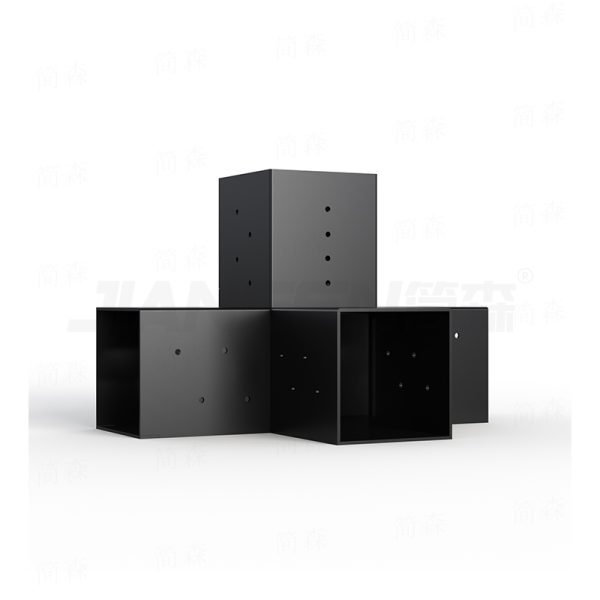
As part of creating a pergola, selecting the appropriate metal pergola brackets is just as crucial to its creation as selecting wood or overall design elements. These brackets serve to keep the structure upright and maintain its appearance. The American Wood Council reports that using appropriate structural connectors and hardware can make outdoor buildings safer while prolonging their lives by over 30%. Thus, purchasing quality pergola frames will not only add visual appeal but will ensure their integrity lasts over many years.
Pergolas transform your backyard into an enjoyable and relaxing retreat for the entire family, but without high-quality brackets, they may not outlast their use. Therefore, it is crucial that when purchasing individual pieces or an entire metal pergola kit that you carefully consider which brackets you use and why. Keeping this in mind could ensure its long life.
Essentially Important Points
- Material Matters: Always choose pergola brackets made of high-grade steel or aluminium.
- Prioritise Strength: Make sure the brackets can hold the weight you plan to put on them. Also, ensure the style complements the aesthetic of your pergola.
- Durability and Time Savings: Rust and UV resistance should be your top priorities, while pre-drilled brackets work with the kit to make installation faster.

Why Is Selecting The Appropriate Metal Pergola Bracket Important?
An outdoor pergola may only contain posts, beams, and rafters; however, the brackets that hold everything together are what keep it stable. Strong brackets keep beams secure against stormy winds while at the same time giving it a solid structure, while stylish brackets enhance your pergola by giving it a sleek yet modern design.
If you select brackets that do not complement your pergola, they could cause serious complications:
Beams that are too loosely fitted together and posts that move freely are sure signs that your pergola won’t last as long due to a lack of support, and will have an overall unattractive aesthetic.
As such, selecting an appropriate metal pergola bracket is the first step toward building a strong and elegant pergola structure.
1. Evaluate Material Quality
Initial steps when purchasing pergola brackets include considering their material composition. Most pergola brackets are comprised of steel or aluminum; however, not all metals have the same properties.
Steel brackets are among the strongest and most frequently chosen bracket options, easily supporting immense structures and heavy beams. When coated with galvanizing powder or coated with powder paint, these steel brackets become exceptionally rust-resistant.
Aluminum brackets are an excellent solution for smaller pergolas or those who seek an elegant yet simple aesthetic, as they are lighter and naturally resistant to rusting.
Use thin or low-quality metal brackets when building your pergola; over time, they could bend under pressure and weaken, rendering it less stable.
2. Consider Load-Bearing Capacity
A pergola can be just for looks, or it can be a helpful structure for plants that need shade, light, or even to climb, like wisteria and ivy. The weight on your pergola will change depending on how you use it.
For example:
- A small patio pergola might only need brackets to hold it.
- If you want to hang plants, lights, or fans from a big garden pergola, you’ll need brackets that can hold a lot of weight.
- Most of the time, manufacturers give specifications for how much weight their brackets can hold.
Always double-check these details and pick brackets that go above and beyond what you need.
3. Match Your Pergola Design
Pergolas add character and flair to outdoor living areas; thus, it’s important that their style ties in perfectly. Style plays an essential part in their appeal.
Modern Pergolas: For an effortless modern aesthetic, choose brackets with straight edges in black or silver for modern pergolas.
Rustic Pergolas: Wooden beams and natural landscapes pair beautifully with decorative brackets featuring curves or patterns to make stunning rustic pergolas.
Custom Designs: Certain brackets allow you to conceal connections, making your pergola appear seamless.
Utilizing a metal pergola kit provides both an appealing appearance and simple assembly.
4. Assess Weather Resistance
Pergolas are exposed to the elements year-round, so their brackets must withstand rain, sunshine, and temperature changes without succumbing to weather resistance issues. A Powder-Coated Finish adds colour while simultaneously protecting against rust and scratches – so weatherproofing your brackets is essential!
Hot-Dip Galvanization: Provides long-term protection against corrosion.
UV Protection: Helps preserve the look of brackets under constant sunlight exposure.
Without weatherproof brackets, your brackets could quickly rust, discolour, and weaken within years – investing in weather-resistant options will ensure your pergola remains strong and attractive all year round.
5. Options With Easy Assembly
DIY enthusiasts may benefit from a hassle-free installation process. Brackets that include pre-drilled bolts and screws save both time and decrease the chances of making mistakes during setup.
If you purchase a metal pergola kit, the brackets typically fit seamlessly with its beams for easier assembly. If working on a larger project requires hiring professionals for assembly work, otherwise, smaller pergolas can often be assembled themselves using easy-to-use brackets.
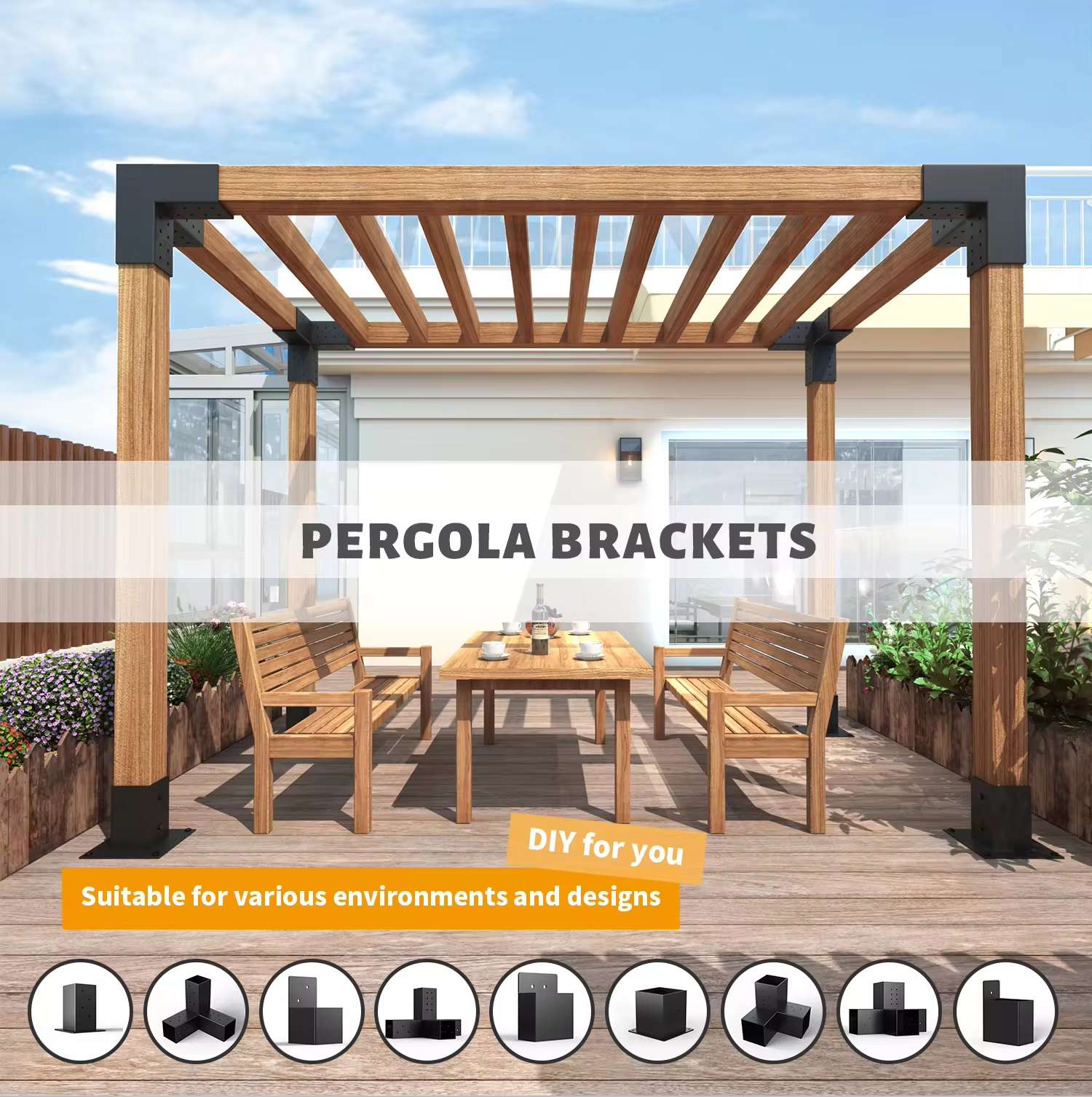
Steel vs wood pergola brackets: what actually differs
Buyers searching for “steel vs wood pergola brackets” are usually comparing two different things: a steel connector that joins timber members, versus a traditional joinery approach that uses notched wood, timber cleats or through-bolted lumber to make the same connection. Both build a pergola. They fail in different ways.
A steel bracket concentrates the connection into a manufactured part with a known section and a known fastener pattern. A wood-on-wood joint distributes it through the timber itself, which means the joint is only as good as the grain, the moisture content and the workmanship at that spot.
| Factor | Steel bracket connection | Wood-only joinery |
|---|---|---|
| Failure mode | Fastener withdrawal or steel deformation — usually visible and repairable | Splitting along the grain, or rot starting inside a notch where water sits |
| Moisture behaviour | Steel does not absorb water; risk shifts to corrosion at the coating and fasteners | Notches and lap joints trap water at end grain, the most decay-prone surface |
| Dimensional consistency | Opening is fixed at manufacture (e.g. 92 mm / 3.62 in), so fit is repeatable across a batch | Depends on the cut; varies between installers and between posts |
| Skill required | Drill, level, drive fasteners to the specified depth | Accurate cutting of notches or mortises without weakening the section |
| Rework | Unbolt and replace the connector | Usually means replacing the timber member |
| What you specify | Inner opening, steel thickness, coating class, fastener count | Timber species, grade, treatment, joint geometry |
For wholesale buyers the practical distinction is repeatability. A steel connector turns the joint into a purchased component with a specification you can audit before it ships — inner opening, thickness, coating class. Wood joinery moves that quality control to the job site, where you cannot inspect it in advance.
Note that this is not a choice between steel and timber for the whole structure. A steel bracket system still uses timber posts and beams; it changes how those members are joined, not what they are made of. If the question is really “should the posts be wood or steel”, that is a different comparison driven by span, local code and appearance rather than by the connector.
One caveat that applies to both: the connection is only as good as the fasteners. Modern copper-based timber preservatives such as ACQ and CA are more aggressive to steel than the older CCA chemistry, so a well-specified bracket paired with under-specified screws will still fail at the screws. Match the coating class across the bracket and the fasteners — see our guide to post base anchoring and corrosion specs for the standards involved.
Metal Pergola Brackets – Some Final Considerations
Selecting a metal pergola bracket involves more than simply stability; you should aim to create an outdoor space that’s both strong and beautiful. Each aspect – from material quality to load capacity and style – contributes to making sure your pergola will stand the test of time. To maximize project satisfaction, purchase strong yet stylish brackets – you can either build from scratch or purchase an affordable metal pergola kit.
HZ Jiansen‘s collection of high-quality and dependable brackets offers you strength as well as style to build a pergola that will outlive its lifespan. Their durable designs ensure lasting beauty; you can begin planning your dream outdoor structure right away using these trusted solutions from HZ Jiansen.
Browse the full connector range under metal pergola brackets, including 4×4 post base kits and 4-way 6×6 connectors. For load path, fastener sizing and span logic, see our companion guide on heavy duty pergola bracket load ratings and bolt specs.
Questions and Answers About Metal Pergola Brackets
Q1. Are metal brackets for pergolas better than wooden ones?
Absolutely, metal brackets tend to be stronger, last longer, and are less susceptible to shattering, warping, or rotting than their wooden counterparts.
Q2: Can I install metal pergola brackets myself?
Most homeowners who know their way around a home can easily assemble pergola brackets themselves; if your pergola is particularly large or contains heavy-duty load-bearing brackets, however, enlist the services of a contractor to assist you.
Q3: Are all metal brackets suitable for all types of pergolas?
Not necessarily; brackets are made to fit beams and posts of specific sizes. Always double-check whether a purchase will cause complications with installation.
Q4: How long do metal pergola brackets last?
When properly maintained, metal pergola brackets can last 10-15 years or more with proper care. Galvanised and powder-coated brackets make the strongest option available.
Q5: Should I use steel brackets or traditional wood joinery?
Steel brackets make the connection a purchased component with an auditable specification — inner opening, steel thickness, coating class and fastener count — so fit is repeatable across a batch. Wood-only joinery moves that quality control to the job site and concentrates the decay risk in notches where water sits against end grain. For projects where consistency across many units matters, steel connectors are the more controllable option.
Q6: What inner opening do I need for a 4×4 or 6×6 post?
Order by the milled section, not the nominal name. A US nominal 4×4 measures 88.9 mm (3.5 in) and suits a 92 mm (3.62 in) opening. A metric 150 × 150 mm post suits a 153 mm (6.02 in) opening. A US nominal 6×6 is only 139.7 mm (5.5 in), so a 153 mm opening leaves 13.3 mm of slop — that market needs a 143 mm custom opening instead.
Q7: Which coating should I specify for treated timber?
Copper-based preservatives such as ACQ and CA are more corrosive to steel than older CCA chemistry. Specify hot-dip galvanizing to ASTM A153 Class D — a minimum average of 1.0 oz/ft² (305 g/m²) of zinc — or sheet galvanized to ASTM A653 G185, and confirm that the supplied fasteners carry the same class.
