
The design usually gets the most attention whenever a table is observed. What matters more than what people normally notice, however, is what holds the table up: strong legs will make the table last longer, feel stable, and be safe to use every day.
This shift towards metal-component furniture is not an accident. According to a report by IMARC Group, the global metal furniture market reached USD 156.93 billion in 2024, and demand is still on the rise. More homes and commercial spaces prefer furniture that has a solid feel and remains reliable for years.
This is one of the reasons stainless steel table legs have become popular. They fit modern interiors well, and they work with different tabletop materials like wood, stone, or glass. Companies offering them include Hangzhou Jiansen Hardware Co., Ltd., which provides the legs in a number of styles since one type cannot suit every space.
Why Stainless Steel Fits Modern Furniture?
Modern design is all about clean lines, simple shapes, and long-lasting materials. Stainless steel supports this idea very well. It has a pretty neutral look which can match most furniture styles, whether it is minimal, industrial, or contemporary. Another reason people choose stainless steel legs is because of the weight support. A table is used daily; it even sometimes serves as a work surface, so it needs to feel steady.
There is also a practical side: stainless steel does not require much care. A simple cleaning habit keeps the legs looking new. This makes it suitable for both homes and busy public spaces.
Material Grades and Appearance Choices
Not all stainless is created equal. 304 stainless steel is one of the more common types for furniture because it works very well indoors and resists corrosion. Another grade, 201 stainless steel, may be used where the objectives include good performance, but on a slightly lower budget.
The finish also affects how the table fits the room: some look bold, while others remain subtle. A brushed finish has a softer feel and can fit well within modern spaces. A polished finish works well when furniture requires a refined surface. Matte or coated finishes work great in darker settings or industrial settings. These options are great for matching the legs with the table and interior style.
Design Options and Where They Work
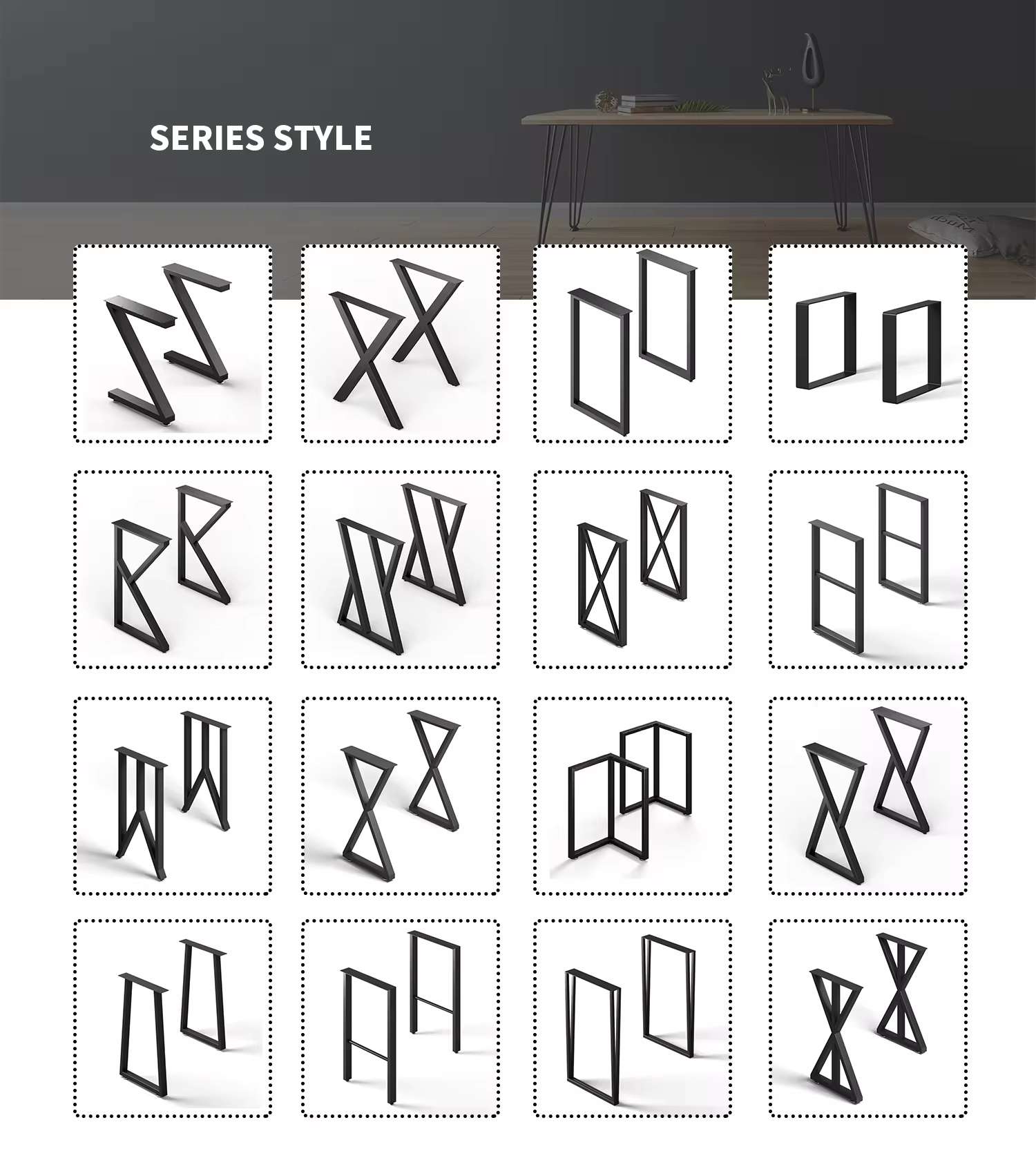
There are several shapes of metal furniture legs available today. Some of them are simple and straight. Others are structured to support heavier tops. Stronger designs may be needed for a dining table or a large office desk. A coffee table or a small desk may use lighter shapes.
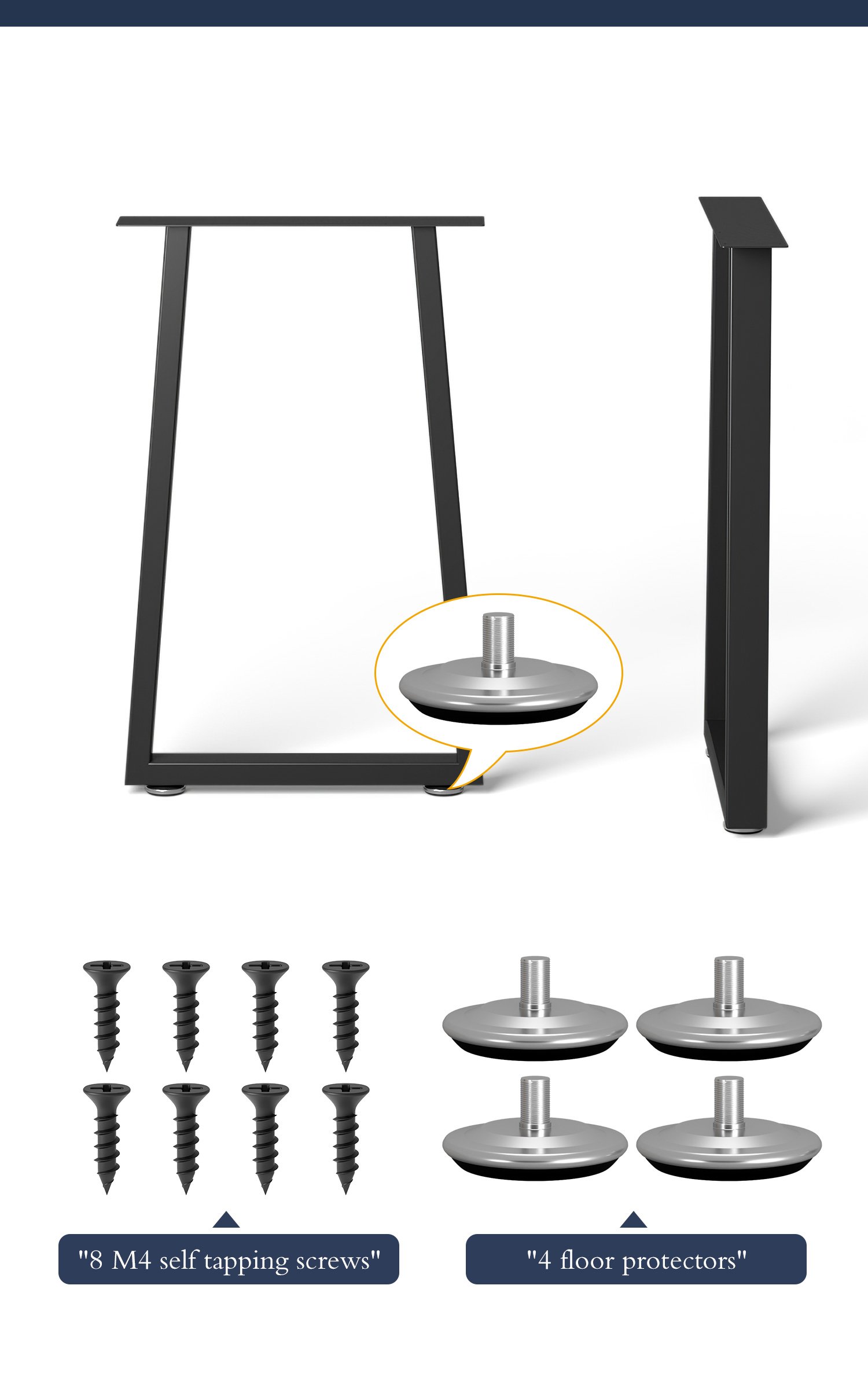
Most of the time, it is the installation that decides how stable the table feels. Many of the stainless steel table legs are designed with mounting plates. This makes attaching them in the correct position much easier. Adjustable bottom supports help balance the furniture on a floor surface that is not even. Sometimes, with heavy stone or solid wood tops, reinforcement becomes necessary to prevent movement.
Suppliers like Hangzhou Jiansen Hardware Co., Ltd. offer several shapes so that designers, builders, and buyers can pick what fits the purpose instead of forcing one shape to fit all tables.
Where Stainless Steel Table Legs Are Commonly Used?
You will see these legs in many different places. In homes, they are used for dining tables, work-from-home desks, study tables, side tables, and sometimes kitchen counters. Their strength is functional when furniture must handle daily weight or activity.
The use of stainless steel legs in commercial places such as restaurants, cafes, hotels, or office buildings is a preference because they are more durable and do not need sophisticated cleaning steps. This also contributes to the uniformity of looks across multiple tables.
How to Choose the Right Legs?
Before choosing the legs, it is good to consider a few basic things:
- The size and material of the tabletop
- The height required for comfortable use
Once these points are clear, choosing becomes easier, as the design, finish, and material can be matched to the purpose.
Frequently Asked Questions
1 Would table legs of stainless steel be strong enough to hold big, heavy tabletops?
Yes, stainless steel can support heavy materials very well. Many people use these legs for solid wood, marble, quartz, or thick glass tables. The strength comes both from the metal grade and from the structure of the leg.
For example, a thicker frame or a reinforced style is better for dining tables or office tables that have more weight on them. In cases when the tabletop is unusually heavy, it is good to check the load capacity or ask for the supplier’s guidance. If installed correctly, the table will stand firm and stable, even when used daily.
2 Do the legs of steel rust or their finish wear out?
Since stainless steel resists rust, stains, and moisture, the legs will remain clean and usable for many years with very little maintenance. In fact, quite possibly the finish may require no more than an occasional wiping to remove dust or fingerprints.
If it is to face a coastal area or is to go outdoors, selecting the correct grade, 304 stainless steel, will afford even greater protection. Basic care, such as avoiding harsh chemicals and cleaning the legs with a soft cloth, will help preserve their original appearance.
3 Can stainless steel table legs be used outdoors?
Yes, they can be used outdoors if you choose the right grade and finish. Outdoor conditions tend to expose furniture to moisture, sunlight, and temperature changes; hence, the material will have to handle these conditions. Higher grades of stainless steel offer superior corrosion resistance, especially in areas with high humidity or along coastal areas.
Added protection may also be provided through powder-coated or matte finishes. Again, it is advantageous if the screws or mounting hardware are weather-resistant to maintain stability over a long period.
4. Are there different designs and sizes for various types of furniture?
Yes, stainless steel legs have plenty of different shapes and sizes. Some are slim and simple, while others have stronger or wider frames for heavier tables. This provides ample opportunity for matching the legs to the type of furniture and the style of the room.
This might involve lighter and more ornamental legs for coffee tables, while more rigid and supportive frames may be needed for the dining or office table. Most suppliers provide several choices so that the legs can match both the function and the design.
5. How do I prevent the table from wobbling after installation?
It can happen in cases when either the floor is uneven or when the legs are not tightly fixed. To avoid this, it is necessary that at the time of installation, the screws should be appropriately tightened. Some of the stainless steel legs are provided with adjustable bottom pads.
This enables one to raise or lower each corner slightly until the table feels pretty balanced. If the tabletop is very heavy, the reinforcement brackets or even a thicker mounting plate improve stability. If installed correctly, the table will feel steady, and it won’t move around when it’s in use.
Final Thoughts:
Stainless steel table legs provide long-lasting strength and a sleek, contemporary look. They work in many spaces, and they continue to stay stable even with regular use. With the choice of a nicely-made metal furniture leg from a reliable company such as Hangzhou Jiansen Hardware Co., Ltd., you will be able to build a solid base with your furniture and avoid replacement or repair problems in the future.
