
Barn doors are showing up in homes everywhere now. People like them because they don’t take up floor space like regular doors do. Plus, they look really good. According to Verified Market Research, homeowners want barn doors because they’re both stylish and useful. Source:
But here’s what usually happens. You put in a barn door because it looks nice. A few weeks go by. Then you start thinking about privacy. Maybe you need more security too. This is when you need a barn door sliding lock. So in this guide, I’m going to help you figure out if this lock is right for you. We’ll also talk about barn door latches.
What Exactly Is a Barn Door Sliding Lock?
Let me tell you what this is. A barn door sliding lock is made just for sliding barn doors. You put it right on the door itself. Regular locks need a door frame, but this one doesn’t work that way. What it does is keep your door shut. It also gives you more privacy.
Now, there’s also something called a barn door latch. This does something different. It keeps your door from moving around. So if someone bumps the door, it stays put. When the wind blows through your house, the door won’t slide. When you use the lock and latch together, your door works much better. It feels safer, too.
When Does It Make Sense to Get One?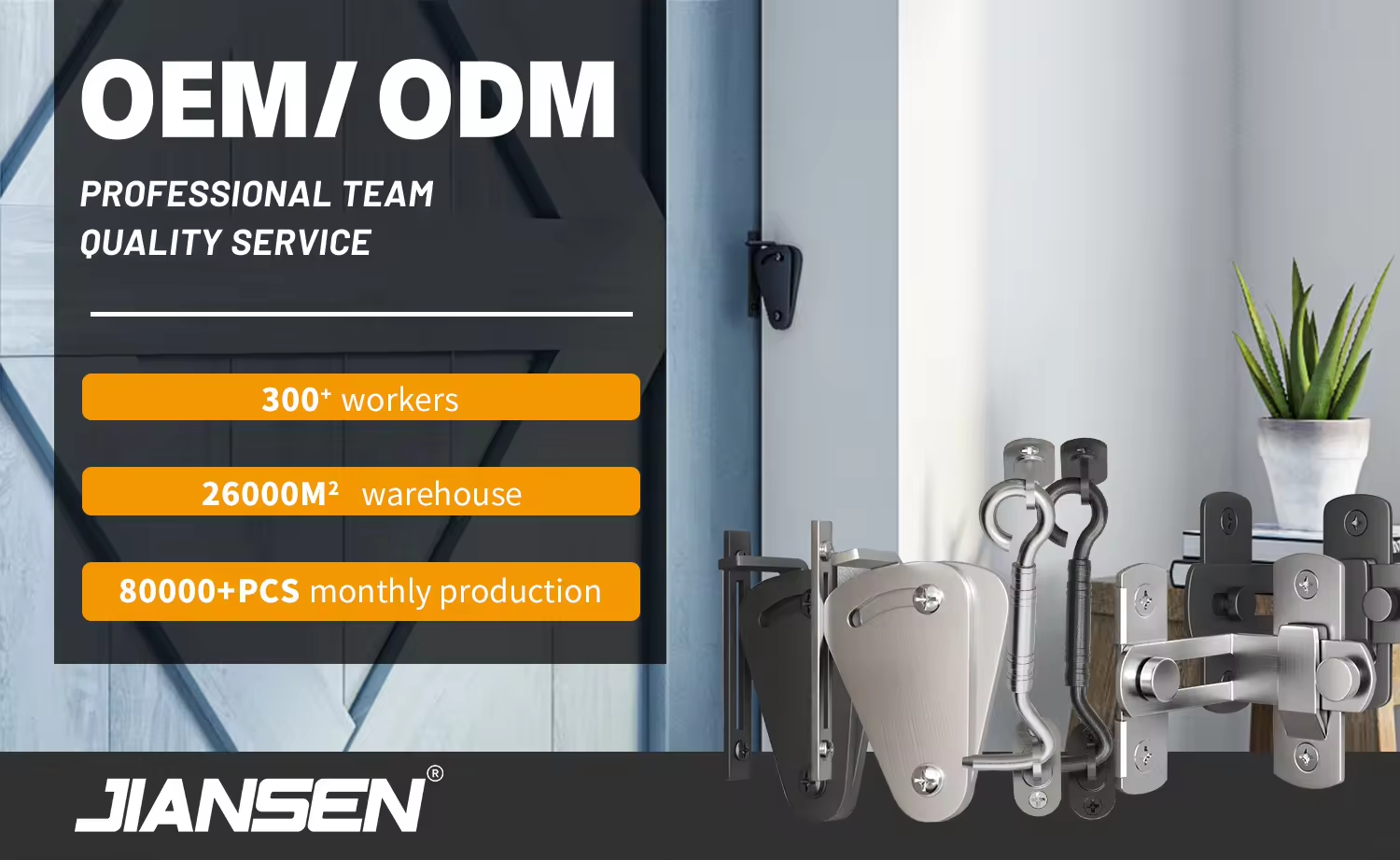
There are times when a barn door sliding lock really helps. You need to think about privacy. Here are some places where it makes good sense:
Bedrooms and bathrooms (you need privacy in these rooms), Home offices (when you’re working and don’t want people walking in)
- Pantries or laundry rooms (if you keep cleaning supplies in there)
- Closets or storage rooms (where you keep valuable things)
- Houses with kids or pets (because they push doors open all the time)
Do any of these match your home? Then you should probably get a sliding lock.
Essential Things to Check Before You Install
Before you put in a barn door sliding lock, check a few things first. This helps you avoid problems:
- Your wall needs enough room for the door to slide all the way
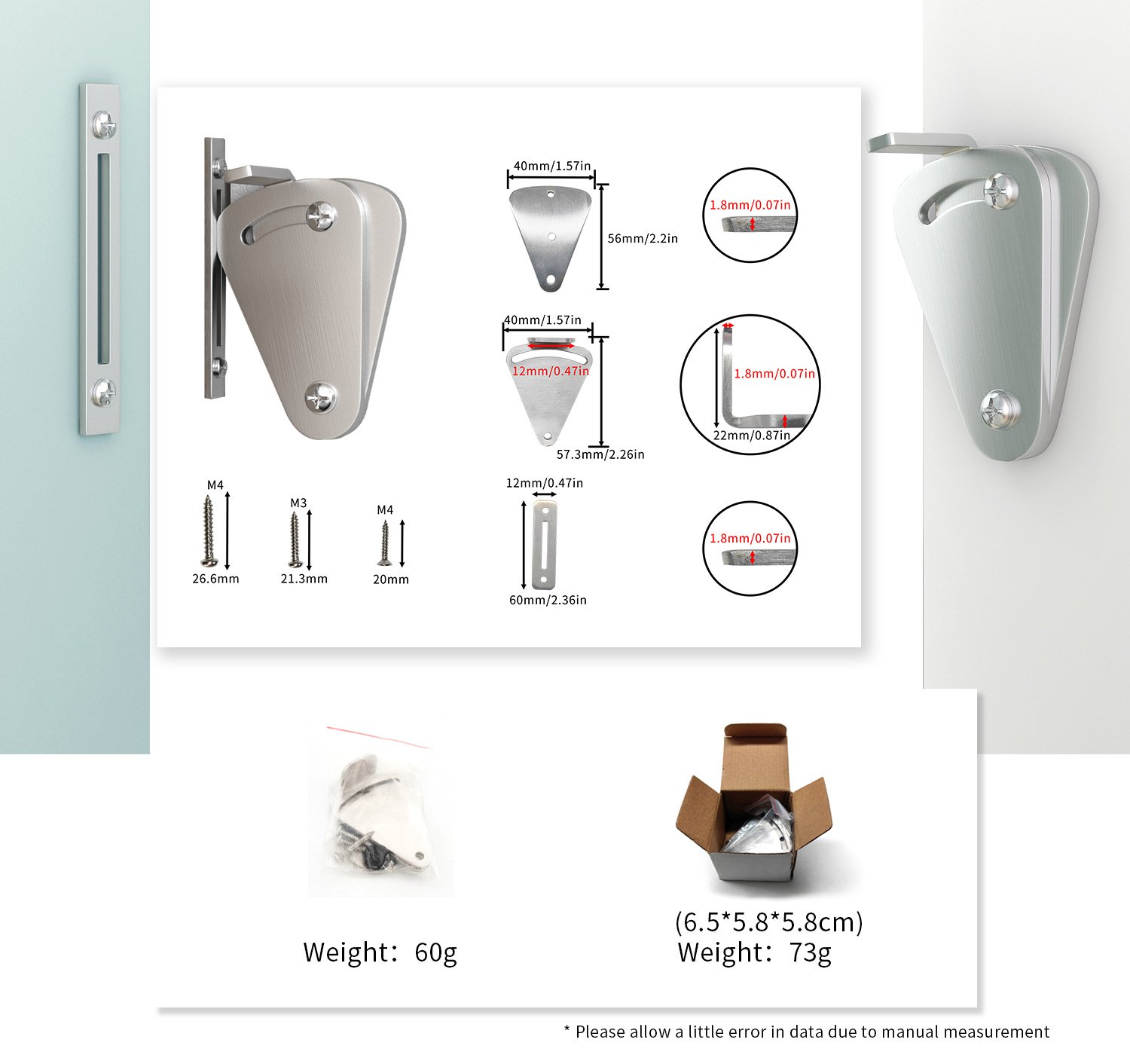
- The lock has to fit your door’s thickness and what it’s made of
- Single doors and double doors might need different types of locks
- Measure everything carefully and make sure it’s level
- Get good-quality hardware so it lasts longer
When you check these things early, you pick the right lock. You also don’t waste money on something that won’t work.
Why You Might Want to Consider HZ Jiansen
Once you decide to get a barn door sliding lock, finding a good supplier matters. HZ Jiansen sells complete barn door hardware systems. What does that include? Locks, different barn door latch choices, handles, tracks, and other parts.
Why should you buy everything from one place? Because all the pieces will match. The style stays the same. The finish is consistent. You won’t have problems where parts don’t fit right. Everything works together properly.
HZ Jiansen works for homeowners, builders, and people doing renovations. Their hardware lasts long and looks good in different types of rooms.
Questions People Usually Ask
- Is a barn door sliding lock strong enough for everyday use?
Yes, it is. A good barn door sliding lock works fine for daily use. It keeps your door closed. You get the privacy you need. But I have to tell you something. Sliding barn doors don’t close as tight as regular doors. Why? Because regular doors fit into frames.
They seal up completely. Barn doors slide on a track. They sit a little bit away from the wall. This leaves small gaps on the sides. So you get privacy, just not a perfect seal. For most rooms, like bedrooms, bathrooms, or home offices, this is fine. But if you need total sound blocking or air sealing, a regular door works better for that room.
- Does a barn door sliding lock help with blocking sound?
It helps some, but not all the way. Here’s why. Barn doors hang from a track. They don’t press tight against the wall. There are small gaps around the edges. Sound goes through these gaps. Now, the sliding lock does help. It pulls the door closer to the wall. It holds it there firmly.
When you add a barn door latch or soft-close system, the door moves less. This makes the gaps smaller. Some noise gets blocked. But if you really need severe sound blocking (like for a music room or recording space), you need a regular door. Or you have to add soundproofing materials.
- Can I install a barn door sliding lock myself?
Yes, you can do it yourself. Many people install these locks on their own. Most locks come with simple instructions. You need basic tools. A drill, screwdriver, and tape measure usually work. The main thing is measuring carefully. You have to put the lock at the right height. It needs to line up with the latch or strike plate. Mark everything before you drill holes.
Take your time with measuring. If you rush or mess up the alignment, the lock won’t work right. Now, maybe you’re not sure about doing this. Or you just want it done perfectly. Then hire someone. A handyman can finish it quickly and make sure everything works.
- Do I need a latch if I already have a lock?
You don’t have to get one, but it really helps. Let me explain. They do different jobs. A barn door latch holds your door in one place. It stops the door from sliding when there’s wind or when someone bumps it. A barn door sliding lock keeps the door closed.
It gives you privacy and security. When you use both, your door stays precisely where you put it. It won’t drift open. And you can lock it when you need to. If your barn door slides open slowly by itself, a latch fixes that. So you can use just a lock, but both together work much better.
- Will every sliding barn door support a lock?
Most barn doors can have locks, but not all of them automatically work. It depends on a few things.
First, how thick is your door? Standard locks need a specific thickness. Very thin doors might not hold the lock securely. Second, what’s your door made of? Solid wood doors work easily with hardware. Metal doors need special drill bits. Third, what hardware do you have now? Some track systems don’t leave enough room for certain locks.
Before you buy a lock, measure your door thickness. Check what the lock needs. Make sure they match. If you’re not sure, ask the manufacturer. Or go to a hardware store and ask for help there.
