
When building or maintaining a wood fence, one of the most important components often overlooked is the drop rod. While they may seem like a small, insignificant detail, drop rods play a crucial role in securing gates and ensuring the overall stability and longevity of your fence. Whether you are replacing an old rod or installing a new one, choosing the right drop rod is essential for maintaining the functionality of your wood fence.
In this guide, we will explore what drop rods are, their benefits, the factors to consider when choosing one, and tips on installation. By the end of this article, you’ll have a clear understanding of how to select the perfect drop rod for your wood fence.
What is a Drop Rod for Wood Fences?
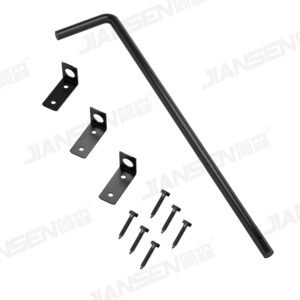
A drop rod (also known as a gate drop rod) is a metal or steel rod that is installed vertically into the ground, usually through a loop or bracket on the gate. Its primary function is to prevent a gate from swinging freely, which could be problematic if the gate is left unsecured or exposed to high winds. A drop rod is typically used on double gates or gates with large openings, where one gate swings open while the other remains stationary.
The drop rod is designed to be lowered into the ground when the gate is closed, anchoring the stationary gate in place. When the gate needs to be opened, the rod can be raised or lifted, allowing the gate to swing freely.
Benefits of Using a Drop Rod on a Wood Fence
Before diving into how to choose the right drop rod, it’s important to understand why it is such a vital component of your wood fence. Here are some of the key benefits of using drop rods:
1. Improved Gate Security
Drop rods help prevent gates from being blown open by strong winds or tampered with by intruders. By securing one side of a double gate, they provide additional stability to the overall gate system, making it harder to push open or forcefully swing.
2. Enhanced Durability
A drop rod helps to distribute the weight of the gate more evenly. This is especially useful for larger, heavier gates that may otherwise sag over time. By providing support at the bottom of the gate, drop rods help maintain the shape and function of your wood fence gate for longer.
3. Ease of Use
Drop rods are relatively simple to install and operate. They allow for easy opening and closing of gates, as they can be lifted or lowered without requiring much effort. For those with large gates or difficult terrain, this ease of use is crucial.
4. Prevent Gate Drag
A properly installed drop rod helps keep the gate level and prevents it from dragging along the ground. This is especially important for wood gates that may warp or shift over time, as the rod helps to maintain alignment and reduce wear on the bottom of the gate.
Factors to Consider When Choosing the Right Drop Rod
Selecting the right drop rod for your wood fence depends on several factors. Here are some key considerations to keep in mind when making your choice:
1. Gate Type and Size
The size and type of your gate are the primary factors that influence the choice of drop rod. For example, a double gate typically requires two drop rods—one for each gate—while a single gate may only need one. The weight of the gate is also an important consideration. Heavier gates, especially those made of solid wood, may require a more robust drop rod to provide adequate support.
- Small to Medium Gates: For smaller gates or lighter gates, a standard drop rod should suffice.
- Large Gates: For larger, heavier gates, choose a drop rod made of stronger material (such as galvanized steel) with a larger diameter to withstand the increased weight.
2. Material of the Drop Rod
Drop rods are generally made from metal, but they come in a variety of materials. The most common materials are:
- Galvanized Steel: Galvanized steel is a popular choice because it is resistant to rust and corrosion, making it ideal for outdoor applications. It also provides strength and durability to handle heavy gates.
- Stainless Steel: For even greater corrosion resistance and strength, stainless steel is a great option, especially in coastal areas where saltwater and humidity can affect other metals.
- Iron: Some drop rods are made from iron or wrought iron, providing a classic, rustic look. However, iron can be prone to rust if not properly treated or maintained.
- Aluminum: Lightweight yet durable, aluminum drop rods are resistant to corrosion and are a good choice for smaller gates or areas where weight is a concern.
Choosing the right material ensures that the drop rod will stand up to the elements and support the gate for years to come.
3. Drop Rod Length
The length of the drop rod determines how deep it can be inserted into the ground. A longer drop rod will provide better stability for the gate, but it also needs to be compatible with the depth of the gate’s loop and the surrounding ground conditions. A drop rod that is too short may not provide enough support, while one that is too long could be difficult to lift and lower.
For most applications, a 12- to 18-inch drop rod is common, but you may need a longer rod for gates with taller clearance or uneven terrain.
4. Ease of Installation
While drop rods are generally easy to install, some models come with more advanced features or installation methods. Look for drop rods that come with easy-to-follow instructions or pre-drilled holes for simple installation. Additionally, some drop rods include a catch or spring-loaded mechanism to keep the rod securely in place when it’s not in use.
If you are unsure about installation, it’s always a good idea to consult a professional or purchase a drop rod that offers more user-friendly installation options.
5. Adjustable Drop Rods
In some cases, an adjustable drop rod can be a great choice. These models allow you to alter the length of the rod, providing additional flexibility for different types of gates or terrains. Adjustable drop rods are particularly useful for gates with varying clearances or if you need to replace an old rod but don’t want to change the entire setup.
Drop Rod Installation Tips
Proper installation of the drop rod is crucial for its functionality and longevity. Here’s a step-by-step guide to help you install your drop rod on a wood fence gate:
1. Determine the Gate Placement
Before installing the drop rod, ensure that the gate is properly positioned and level. The gate should close securely against the fence line without dragging or leaving a gap. If the gate is not aligned, adjust it before installing the drop rod.
2. Install the Gate Loop or Bracket
The drop rod typically goes through a loop or bracket mounted on the bottom of the gate. If your gate does not already have a loop or bracket, you’ll need to install one. Use a heavy-duty drill to create holes for the brackets, ensuring they are level and securely attached to the gate.
3. Mark the Drop Rod Location
Once the loop is installed, mark the spot where the drop rod will be inserted into the ground. Ideally, this should be directly beneath the loop, ensuring that the rod fits securely into place.
4. Dig the Hole
Use a post hole digger to create a hole for the drop rod. The hole should be deep enough to accommodate the rod’s length, allowing it to fit securely when lowered. If the ground is soft or sandy, consider adding a layer of gravel at the bottom to provide additional support.
5. Insert the Drop Rod
Insert the drop rod into the hole, ensuring it fits snugly through the loop. Test the mechanism to make sure it can be easily lifted and lowered without obstruction.
6. Add a Catch or Locking Mechanism
Many drop rods come with a catch or locking mechanism that prevents the rod from accidentally lifting when the gate is closed. If your model includes this feature, ensure it is properly installed to maintain stability and security.
Conclusion
Choosing the right drop rod for your wood fence is an essential part of gate installation and maintenance. By considering factors such as the gate type, material, length, and ease of installation, you can select the perfect drop rod to ensure the security, stability, and longevity of your fence. A properly installed drop rod not only keeps your gates secure but also enhances the overall durability of your wood fence, making it a worthwhile investment for any homeowner.
Whether you’re securing a small gate or a large double gate, understanding how drop rods work and how to choose the right one can make all the difference in creating a functional, reliable fence.
