
Installing a fence is an essential project for property owners looking to enhance security, privacy, and curb appeal. A crucial part of this process is selecting and correctly installing the OEM Fence Hardware Set, which ensures the stability and functionality of your fencing system. In this comprehensive guide, we’ll cover everything you need to know to install an OEM fence hardware set, including the tools required, step-by-step instructions, and expert tips to ensure a smooth and successful installation.
Why Choose an OEM Fence Hardware Set?
An OEM (Original Equipment Manufacturer) fence hardware set is specifically designed to match the original specifications of a fencing system. These sets often include hinges, latches, brackets, screws, and other components that are engineered for optimal compatibility and performance. Key benefits include:
- Precision Fit: OEM parts are tailored for specific fencing systems, ensuring a seamless installation.
- Durability: Made from high-quality materials, they are built to withstand harsh weather and prolonged use.
- Ease of Installation: Clear instructions and compatibility simplify the process, even for DIY enthusiasts.
Tools and Materials Needed
Before starting the installation, gather the following tools and materials:
Tools
- Power drill with screwdriver bits
- Measuring tape
- Level
- Adjustable wrench
- Screwdrivers
- Post hole digger (if setting up new posts)
Materials
- OEM fence hardware set
- Fence panels or boards
- Fence posts
- Screws, nails, or bolts (as specified in the hardware kit)
- Concrete mix (if installing posts)
Ensuring you have all the necessary tools and materials on hand will save time and reduce interruptions during the installation process.
Preparing for Installation
Proper preparation is critical for a successful fence installation. Start by evaluating the area where the fence will be installed. Follow these preparatory steps:
- Measure the Space: Use a measuring tape to determine the dimensions of the fence and calculate the number of posts, panels, and hardware sets required.
- Mark the Post Locations: Use stakes and string to outline the fence line and mark where each post will be installed. Ensure the spacing aligns with the specifications of your hardware kit.
- Check Local Regulations: Confirm that your fence complies with local zoning laws and building codes. Obtain any necessary permits before proceeding.
- Prepare the Ground: Clear the area of debris, rocks, and vegetation to ensure a level surface for installation.
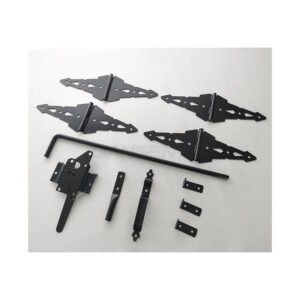
Step-by-Step Installation of OEM Fence Hardware Sets
1. Install Fence Posts
The posts provide the foundation for the fence. For a secure installation:
- Dig holes for the posts, ensuring they are deep enough to support the fence’s height and weight (typically one-third of the post’s length).
- Place each post in its hole, ensuring it is level and aligned with the fence line.
- Fill the holes with concrete mix, leaving it to set for 24-48 hours.
2. Attach Fence Panels
Once the posts are secure, attach the panels or boards to the posts.
- Position the first panel between two posts, using the level to ensure it is straight.
- Secure the panel with screws or bolts using the brackets provided in the OEM hardware set.
- Repeat the process for all panels, ensuring consistent spacing.
3. Install Hinges and Gates
If your fence includes a gate, install the hinges and latch using the components from the hardware set.
- Position the gate between the designated posts and mark the spots for the hinge brackets.
- Attach the hinges to the gate and post using screws or bolts. Ensure the gate swings freely and evenly.
- Secure the latch to the gate and the adjacent post, testing its alignment and functionality.
4. Add Final Hardware Components
Finish by installing any additional hardware components, such as decorative caps, tension bars, or reinforcement brackets, as specified in the OEM set instructions.
Tips for a Successful Installation
- Double-Check Measurements: Ensure all posts and panels are evenly spaced and aligned for a professional finish.
- Use High-Quality Fasteners: Opt for weather-resistant screws or bolts to prevent rust and maintain structural integrity.
- Follow the Manufacturer’s Instructions: OEM hardware sets typically include detailed installation guides tailored to the specific product.
- Work with a Partner: Fence installation is more manageable with two people, especially when handling large panels or aligning components.
Maintenance After Installation
To prolong the life of your fence and hardware:
- Regularly inspect the fence for signs of wear, such as loose screws or rust.
- Clean the hardware with a damp cloth to remove dirt and debris.
- Apply protective coatings to metal components to prevent corrosion.
Conclusion
Installing an OEM fence hardware set is a straightforward process that ensures your fence is sturdy, reliable, and visually appealing. By carefully following the preparation and installation steps outlined in this guide, you can achieve professional results and enjoy the benefits of a well-constructed fence for years to come. Whether you’re a DIY enthusiast or a professional contractor, the precision and durability of OEM hardware make it the ideal choice for your fencing needs.
